

Share This Article
This weekend, the Distress Centres of Greater Toronto (DCGT) will bring the community together for its annual Walk for Suicide Awareness, taking place at Sunnyside Park in Toronto on September 13th.
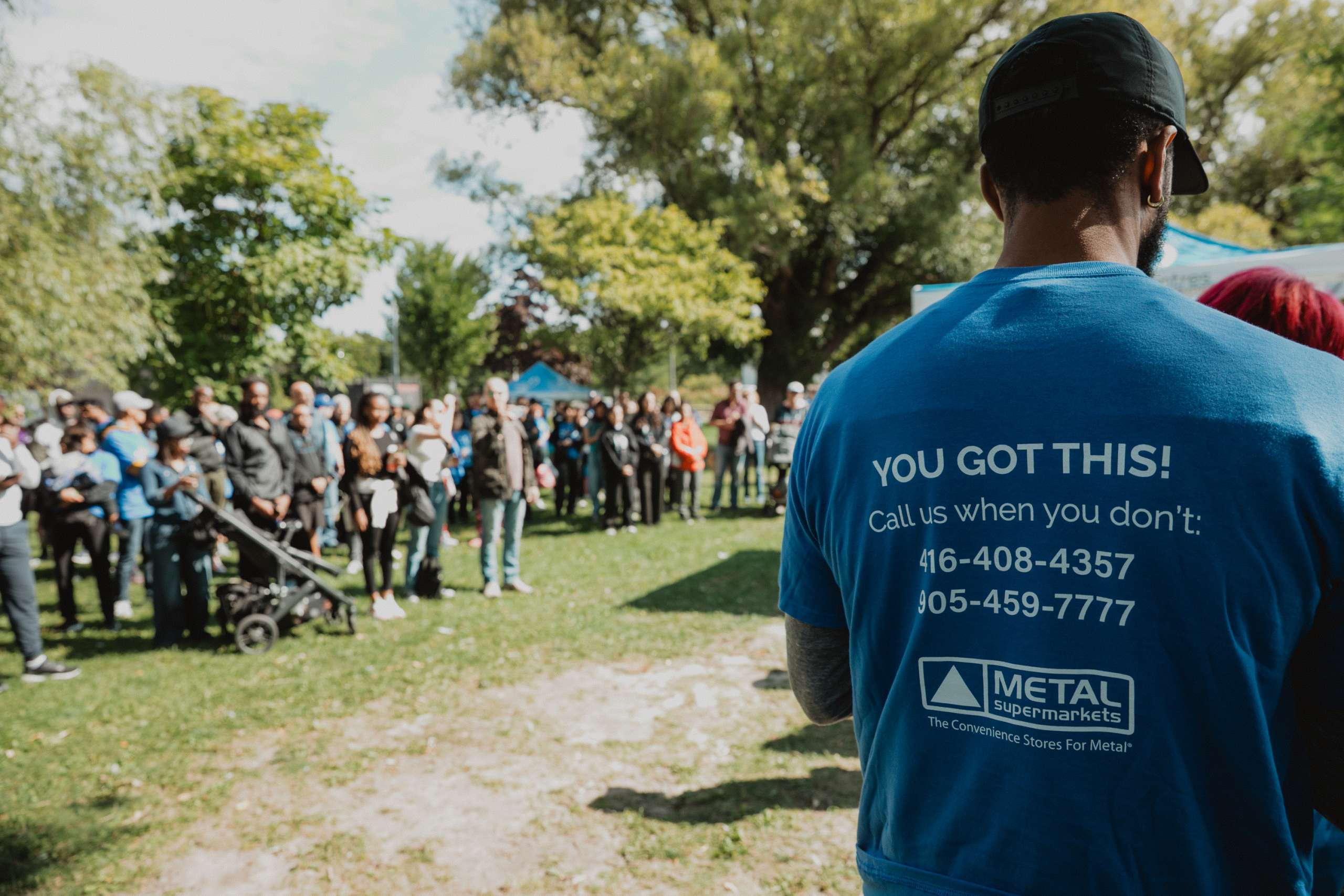
The event raises funds to help DCGT continue providing free mental-health and crisis-support services to people across Toronto and the Greater Toronto Area. Since launching in 2022, the Walk has created a space for people affected by suicide to come together, honour and remember those who have died, challenge the stigma surrounding suicide and mental health, and support life-saving services. To date, the event has raised more than $740,000.

For this edition of In Conversation, we spoke with DCGT Executive Director Robert Ridge about the purpose of the Walk, the growing need for emotional support across the GTA, the barriers that prevent people from discussing suicide and the difference one meaningful conversation can make.
Editor’s note: Responses have been edited for length and clarity.
Conversation With Robert Ridge
The Walk for Suicide Awareness brings together people who may be grieving, supporting someone they love or advocating for change. What does the Walk represent to you personally?
Robert: This is our fifth Walk, and many of the people who attend have been with us since the beginning. Bringing together a community of people who have been affected by suicide, along with those standing beside them, is special in a way that is difficult to describe.
I am always moved by the collective courage of the community and its unwavering desire to make a positive difference in the lives of people seeking support.
For those learning about the Walk for Suicide Awareness for the first time, what is the purpose of the event, and what do you hope people take away from it this year?
Robert: We are determined to break down stigma, normalize conversations about mental health and suicide, and memorialize those who have died by suicide. This event is one way we can help accomplish that.
Since the Walk began in 2022, it has raised well over half a million dollars. These funds help ensure that we can continue providing free, life-saving mental-health services to people across the Greater Toronto Area.
As Executive Director, what are you seeing and hearing across Toronto and the GTA regarding emotional distress and the need for support?
Robert: Across Canada, 28 per cent of people report feeling lonely at least three days a week. In Toronto, that figure is 37 per cent, while the rate across the GTA is 35 per cent higher than the Canadian average.
The Toronto Foundation’s Vital Signs report describes loneliness as a serious health issue. It references research that found that lacking a social network can be as dangerous as smoking 15 cigarettes a day and may carry greater health risks than alcohol consumption, physical inactivity, obesity and air pollution.
Suicide remains a subject many people struggle to discuss openly. What continues to make these conversations so difficult?
Robert: There are several reasons. One is the fear of making things worse, the belief that talking about suicide might encourage it. That is simply not true. Talking helps.
There is also stigma and the fear that experiencing suicidal thoughts reflects an inner weakness that others will view as a failure. Many people also struggle to find the right words. They are afraid they might say the wrong thing or make the situation worse.
When someone notices that a friend, family member or colleague may be struggling, what are the most meaningful ways they can offer support?
Robert: Initiate a conversation. Ask directly, “Are you thinking about suicide?” Listen, remain present and show genuine concern. Offer support, and remember to stay connected beyond that first conversation.
What has this work taught you about people, community and the importance of simply being there for someone?
Robert: It has taught me about the generosity of the human spirit. The survivors of suicide loss whom I have met are truly exceptional people who give their time and energy in service of others. It has also taught me that everyday people, with training and guidance, can make a life-changing difference for someone who needs support.
If there is one thing you wish more people understood about suicide awareness and prevention, what would it be?
Robert: Talking about suicide does not increase the risk. Initiating a conversation, listening without judgment and staying connected are powerful ways to make a meaningful difference.
Walking Together for Suicide Awareness in Toronto
Suicide remains a significant public-health concern in Canada. Recent federal data indicate that over 4000 people die by suicide annually, while thousands more experience suicidal thoughts, make plans or attempt suicide. Suicide is also the second-leading cause of death among youth and young adults between the ages of 15 and 34.
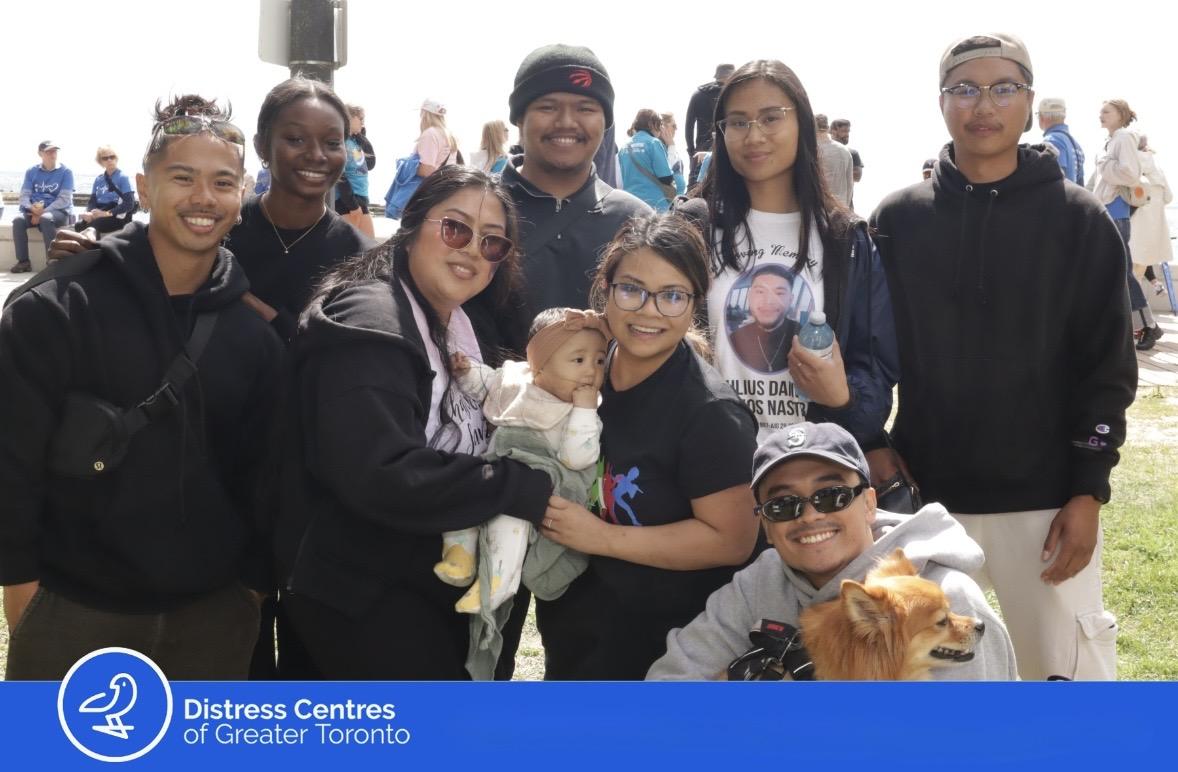
Behind every statistic are families, friends, colleagues and communities profoundly affected by loss. Events such as the Walk for Suicide Awareness create opportunities to remember those who have died, support people living with loss and reinforce the importance of open, compassionate conversations.
The Walk for Suicide Awareness takes place at Sunnyside Park in Toronto on September 13th. Those interested in participating can register for the Walk or make a donation to Distress Centres of Greater Toronto.
Support Is Available
If you are thinking about suicide or are concerned about someone you know, call or text 9-8-8 to reach Canada’s Suicide Crisis Helpline. Support is available 24 hours a day, seven days a week. If someone’s safety is at immediate risk, call 9-1-1 or visit the nearest emergency department.
As always, you can discover more stories about the people, organizations and communities shaping Toronto and the Greater Toronto Area on efosa.
