

Share This Article
A new exhibition is bringing Palestinian voices, stories, and lived experiences to the forefront in Toronto this spring. Preservation offers a deeply human look at everyday life through the work of Palestinian artists, challenging narratives often shaped by distance and media.
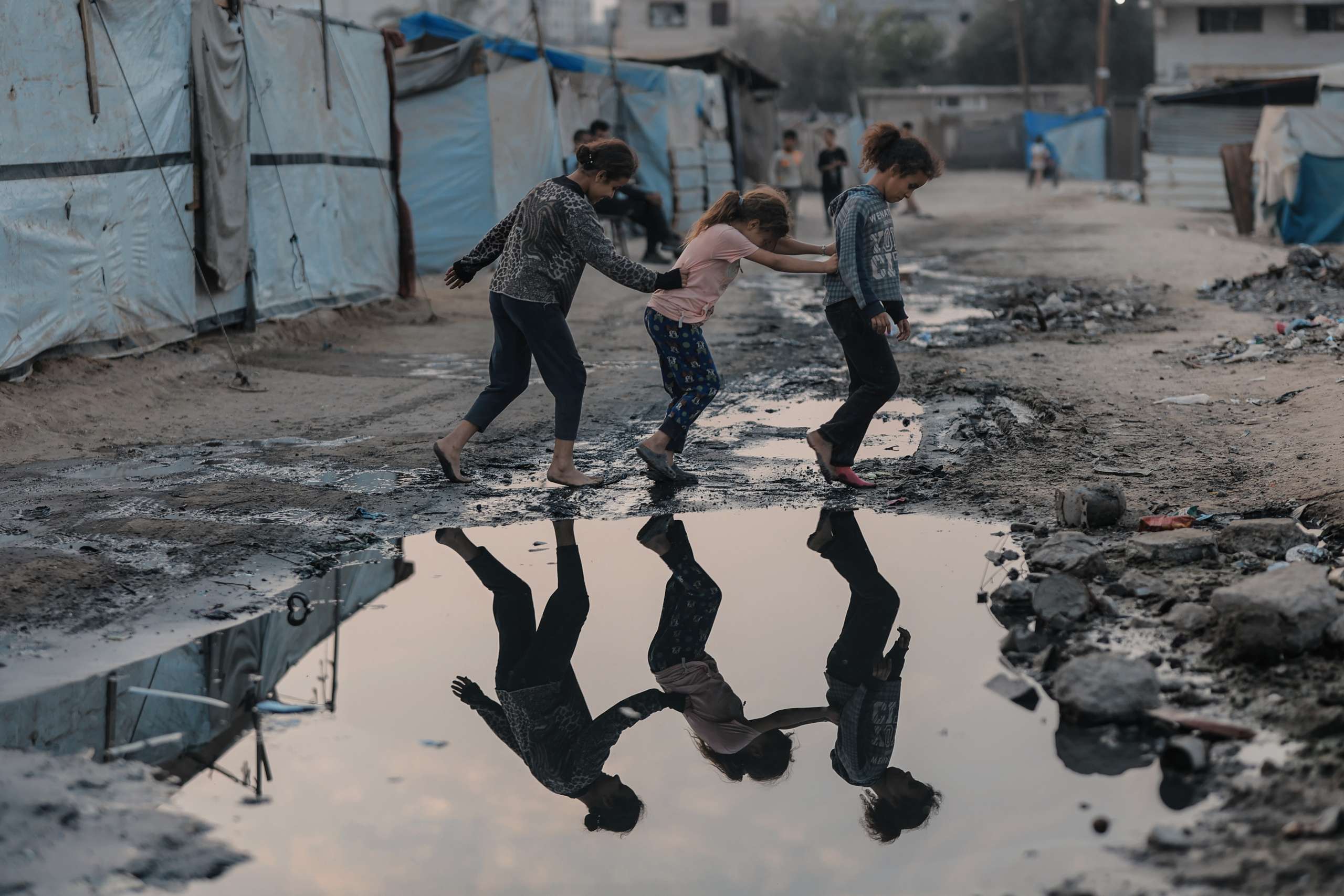
Through video, photography, and interactive installations, the exhibition invites audiences to engage with quiet, intimate moments while reflecting on broader themes of identity, resilience, and representation.

For this edition, we connected with curator Rimah to talk about how Preservation came together, the intention behind the work, and what she hopes audiences take away from the experience.
Editor’s Note: Responses have been edited for length and clarity.
Can you tell us how this exhibition came together?
We started brainstorming the project in October last year and began assembling the team shortly after. Volcano Theatre is producing the exhibition, while I’ve focused on connecting with the artists and shaping the artistic direction. We’ve been fortunate to collaborate with the theatre centre to present the exhibition at their venue. They also provided space for the opening discussion alongside the exhibition.
Are you working on this alone, or do you have a team behind you?
It’s a collaborative effort. While I’m leading the artistic side and working closely with the artists, Volcano Theatre has been instrumental in bringing the exhibition to life from a production standpoint.
What can attendees expect from the exhibition?
What inspired the exhibition?
Last August, I was invited to attend a lecture where I met Ross Manson. The idea for the exhibition actually came from those conversations.
We felt there was a lack of meaningful representation of Palestinian work, especially given everything happening globally with the war. From there, it grew through ongoing discussions and brainstorming into what is now Preservation.
What are you hoping audiences take away from this experience?
At its core, the exhibition is about raising awareness of what’s happening in Gaza and beyond. What we often see on social media contributes to the dehumanization of Palestinians. Through this exhibition, I want to challenge that narrative. I want people to see everyday life, people cleaning, doing their hair, living their lives. These human moments matter. The goal is to reconnect audiences with the humanity behind the headlines through art and invite them to reflect, not just react.
How did you approach selecting the artists?
I was fortunate to discover and connect with many of the artists online. I have met only one in person, the artist who created the installation, and I’ve worked with her before. In all four works, I admired how their art captures human experiences and carries a strong message. It was important to work with artists who could authentically convey lived experiences and advance the conversation.
What are your expectations for the exhibition?
This is my first time curating an exhibition, so it’s hard to predict exactly how it will be received. However, I’ll be honest, there’s a certain level of hesitation within the theatre and arts space in Toronto when it comes to presenting Palestinian work, as most avoid it at the moment.
There’s a sense of carefulness, perhaps due to concerns about losing funding or reaction. I would not say they want to erase Palestinian voices, but there is definitely caution.
That said, given everything happening right now, I believe it’s more important than ever to create space and share these stories. To show the humanity of Palestine and allow people to participate and see their world through art.
Do you think this hesitation is new, or has it always been there?
I don’t think it has always been like this. Even if Palestinian art was missing before, now is the time to change that. I encourage everyone to get involved, attend events, learn, and experience the work. Art can reach people in ways other media cannot. It speaks to both our minds and our hearts. It’s important to recognize the times we live in. With so many global issues, we can’t ignore the genocide happening far away or pretend it’s separate from our daily lives. Even simple things like filling up your car, buying food, or using a credit card are connected. We need to see how these links work. That’s why art matters: it brings us together and reminds us that our struggles are shared. This is why artists need a platform to share their work.
Conclusion
Through Preservation, art becomes more than expression. It becomes a bridge to understanding, inviting audiences to see beyond headlines and into the everyday humanity of Palestinian life.
The exhibition will be on view at The Theatre Centre (1115 Queen St. West) from March 19th to May 17th, 2026, with free admission.
The exhibition will also be available to view online beginning April 10th on Volcano’s website.
As always, you can discover more Things to do in Toronto on efosa.
